
Sternum-worn pendant
The Node came out of a wrong question and a right instinct. The ask was for a pendant that projects a protective field and cancels the ambient radio noise of a modern city. That is not buildable: cancelling an incoming wave requires emitting its inverse from every angle at the same instant, and a pendant that tried would simply add its own field to your chest.
So the Node does the opposite. Instead of arguing with the environment, it gives the nervous system one clean, local signal strong enough to be the thing it follows. Worn on the sternum it sits over the cervical branch of the vagus nerve, close enough that the coil can be tiny and the field can be low.
It is the only unit designed to be worn all day. Its default is 7.83 Hz, held steady, which is why the cell is 450 mAh instead of 2500 and why there is no Peltier in it at all.
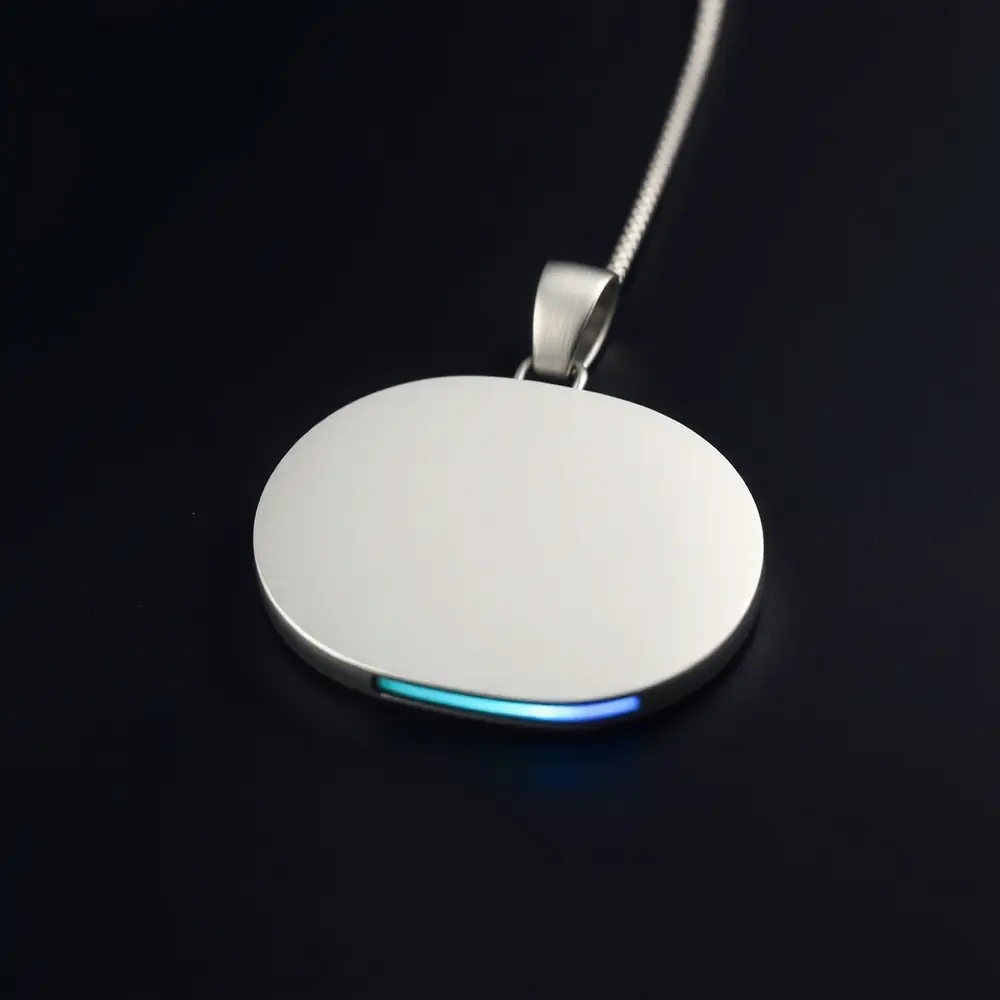
Component selection and form factor defined. Miniaturising the Core's coil into a 45 mm case is unproven and is the first thing a prototype has to answer.
Architecture
What is in it
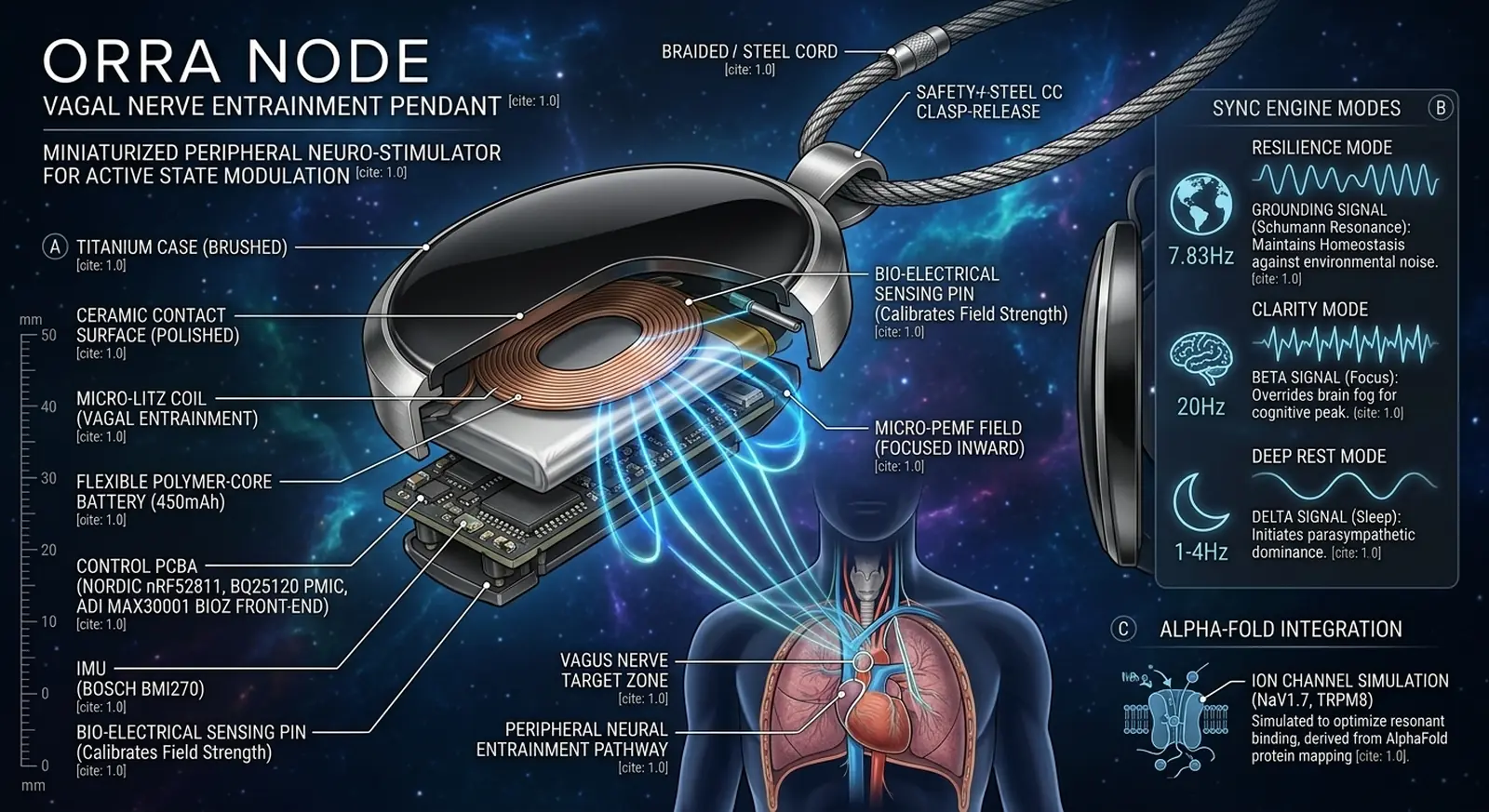
ORRA Node carries 4 functional layers. Every named part is a real manufacturer part number, chosen once for the family and reused, so one qualification covers every unit that uses it.
Brushed titanium shell, polished ceramic contact surface
Ceramic passes the field; metal shields the board
Micro-Litz coil, field directed inward toward the chest wall
Low power because it rests on skin
Nordic nRF52811, TI BQ25120 PMIC, ADI MAX30001 bio-impedance front end
450 mAh flexible polymer-core cell
Days, not hours — the Node runs quietly in the background
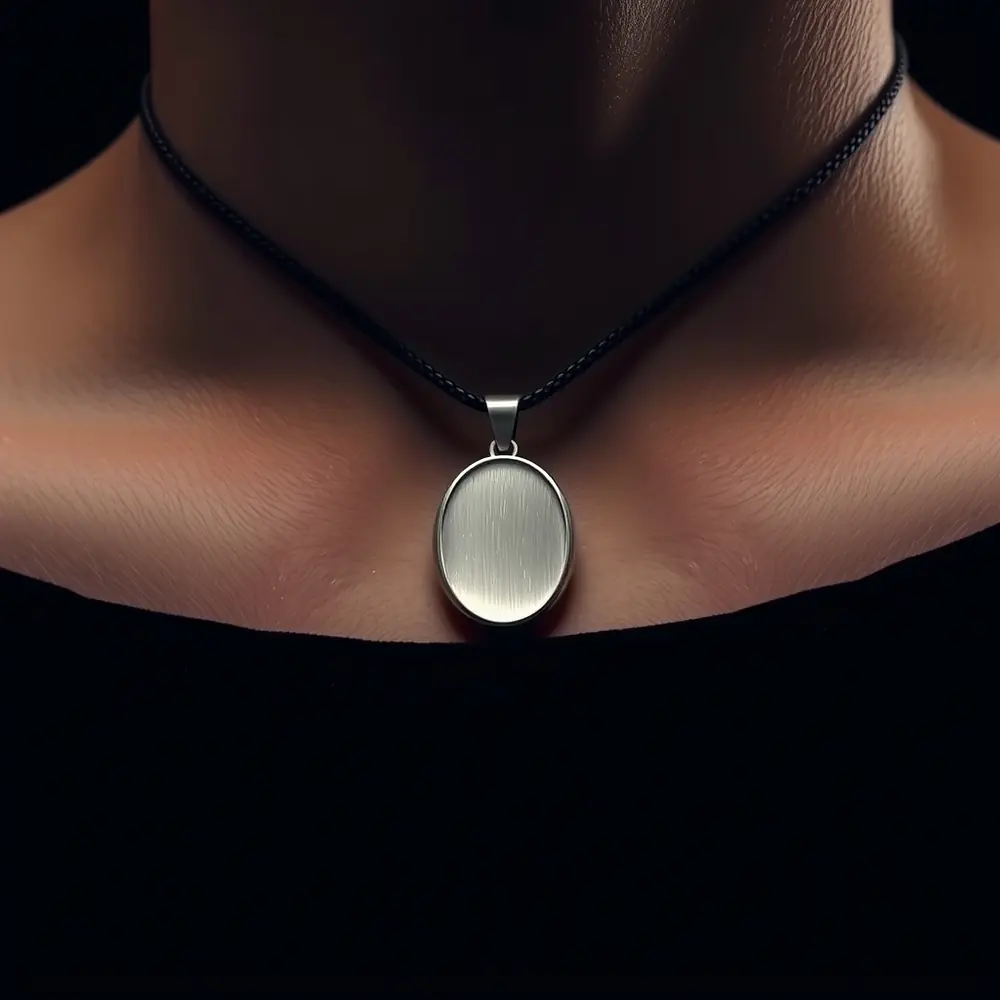
| Reaches | Worn or held | Calibration | Cost concept |
|---|---|---|---|
| Vagus nerve (cervical branch) | Worn over the sternum on a braided steel cord | Bio-impedance, before every session | Not yet costed |
Source drawing
The sheet this page was built from
Everything above was read off one working drawing. It is published here whole, annotations included, so the specification and its source can be checked against each other rather than taken on trust.
Honest position
What we are not saying
ORRA Node is a general wellness concept. It is not a medical device, it has not been evaluated by the FDA, and it is not intended to diagnose, treat, cure or prevent any disease. No unit has been manufactured, no certification listed on this site is held, and no human data of any kind exists.
The concept retail price of $199 is a design target set against a bill of materials. It is not an offer and there is nothing to buy.
Ready to look at the engineering?
The layer stack, the component list with manufacturer part numbers and the mode table are written down. Ask and you get the same document a contract manufacturer would.
See what it would cost
Concept retail against a real bill of materials, with the margin shown rather than implied.
Pricing →Start with the science
Three physical layers, six set points, one calibration baseline. Ninety seconds of reading.
How it works →