
ORRA / Products
Nine units, one engine.
Every unit runs the same three physical layers and the same calibration step. What changes is which nerve path it can reach and how much power it can carry there.
The family was drawn as one thing before it was drawn as nine. Every unit shares the coil, the emitter pair, the Peltier logic and the same Nordic control board, and the reason to keep that discipline is not elegance: one qualification of a part covers every unit that carries it, and one firmware mode table drives all of them.
What changes between units is reach. The Core gets to the median nerve through the palm. The Strides get to the plantar nerve through the sole. The path decides the coil geometry, and nothing else has to move.
Wearing the whole set is not the intended case and never has been. Most people will own one unit. The figure beside this exists to show that the coverage is contiguous when it needs to be, not to suggest anyone should put all of it on at once.

Devices
Rigid units
A chassis, a cell and a coil. These are the ones with a real component list.

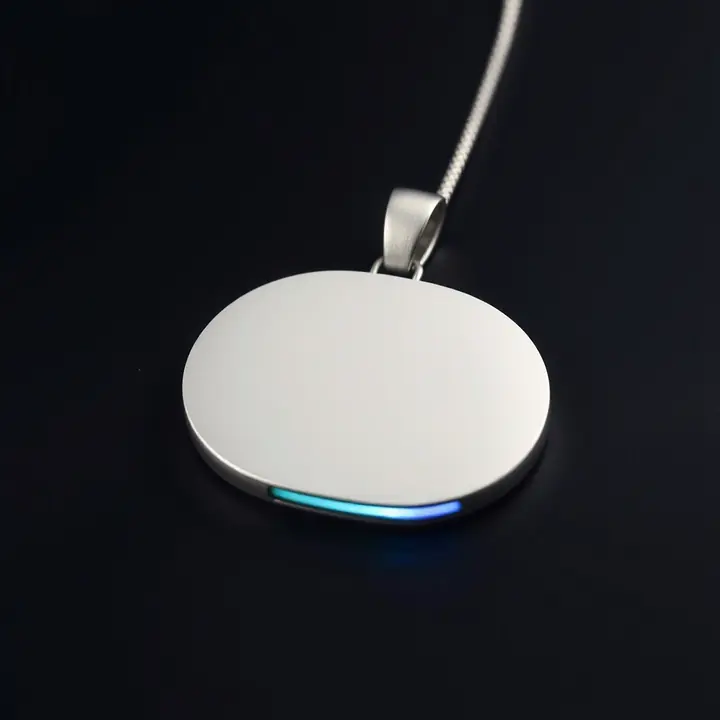
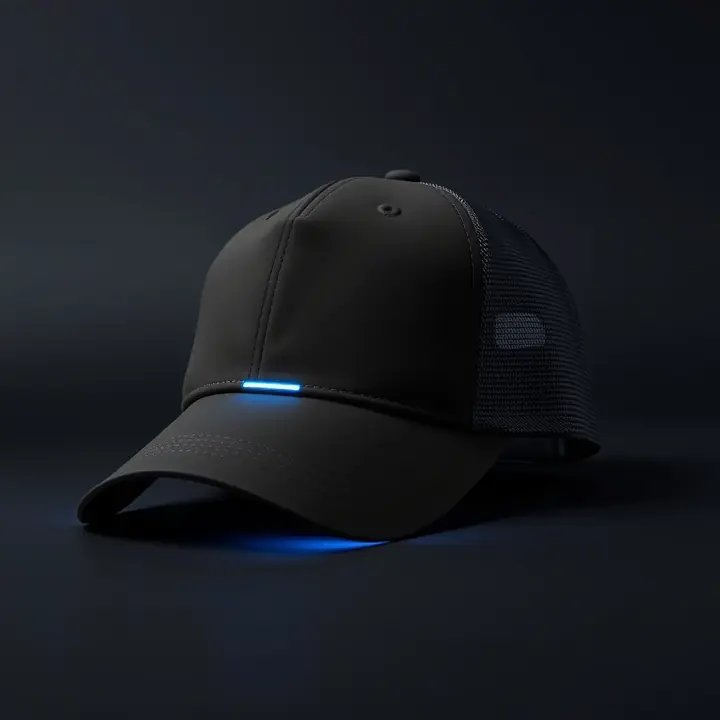
Worn
Smart-weave units
The same architecture with the rigid parts replaced by a conductive weave, and the control board moved into a module that snaps off so the garment survives a wash cycle. The weave itself is a textile development programme, not a part you can order today.
Torso
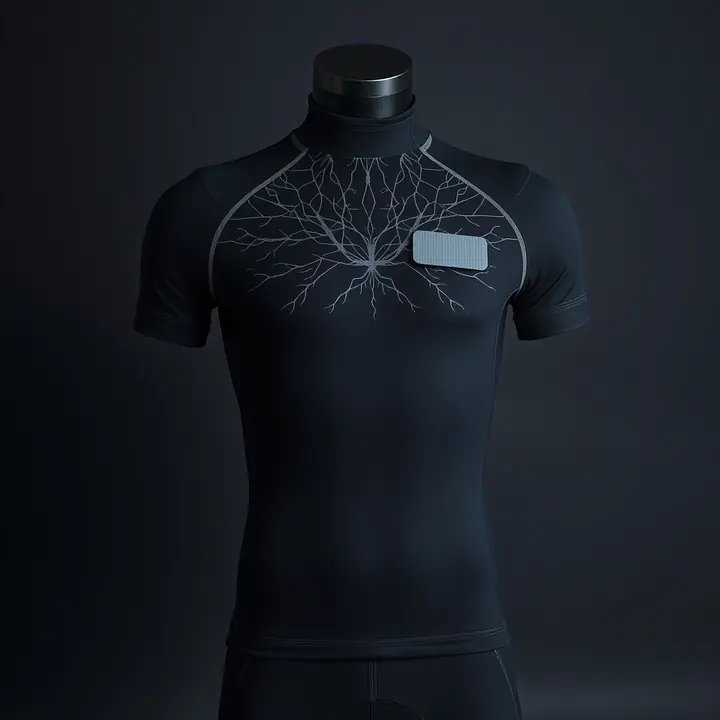
ORRA Neural Suit
The spine, the vagus, and a cold jolt between the shoulder blades.
$499concept
Torso
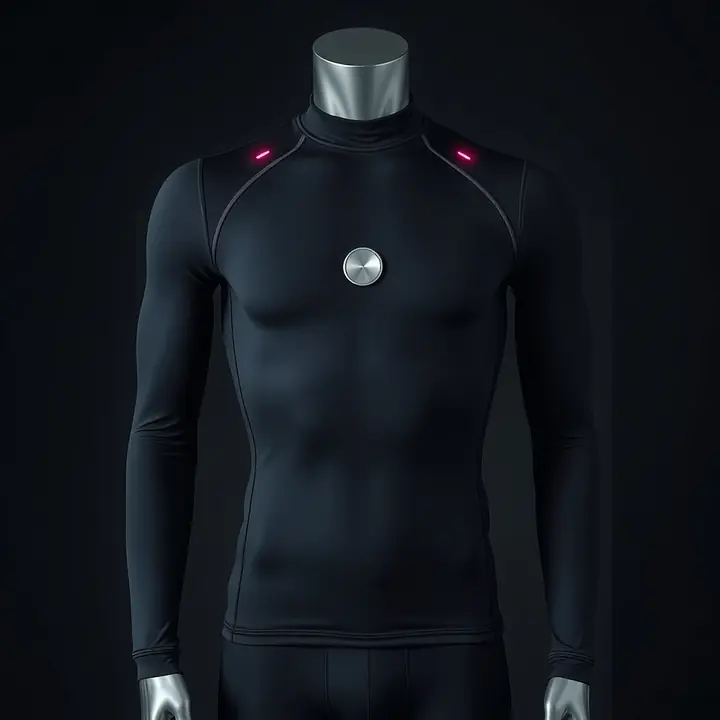
ORRA Neural LS
Everything the Suit does, carried down both arms.
$599concept
Lower body
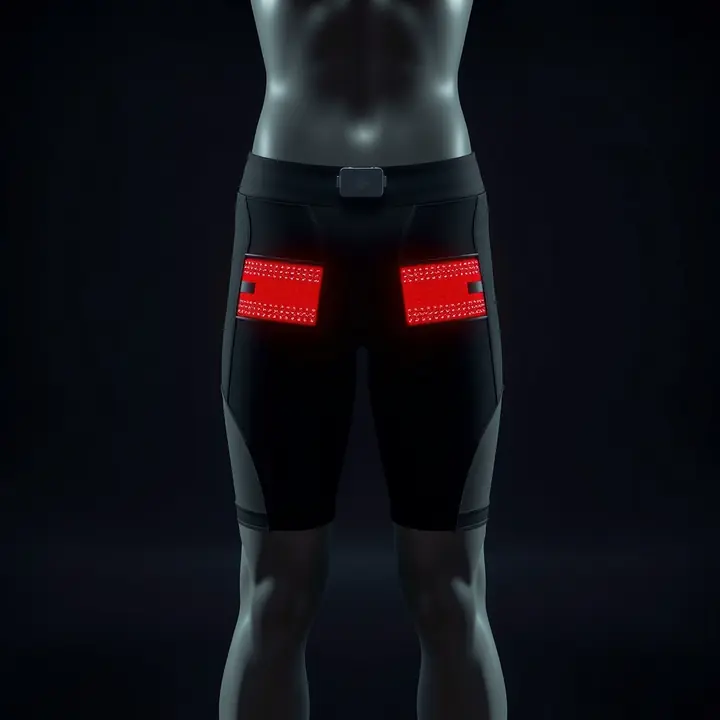
ORRA Shorts
Quads and hamstrings, before the session and after it.
$349concept
Lower body
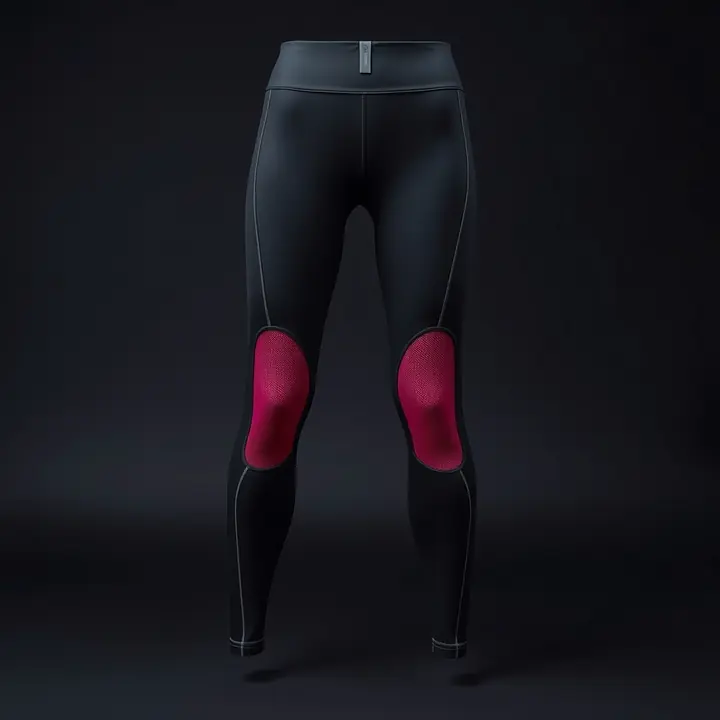
ORRA Pants
Hip to ankle, one continuous path.
$499concept
Hands
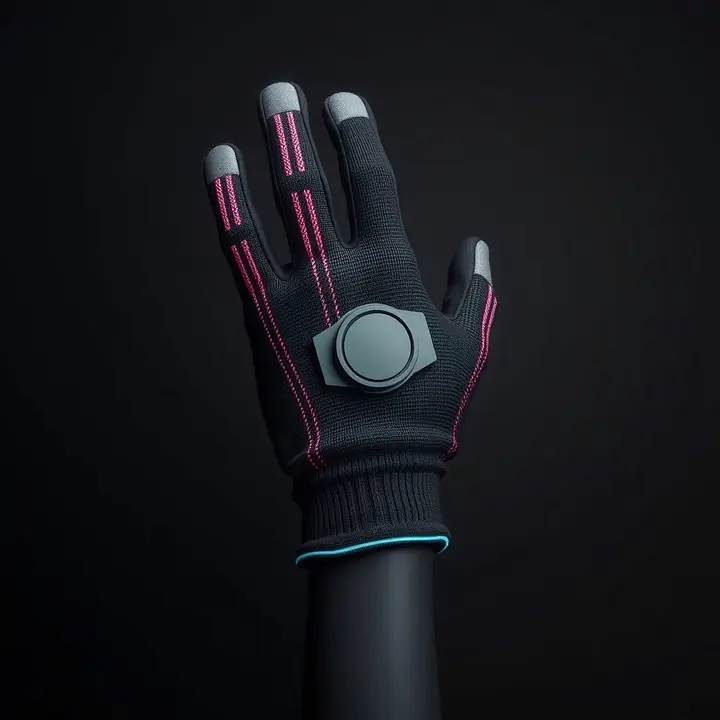
ORRA Gloves
The hands that do all the typing get their own mode.
$249concept
Feet
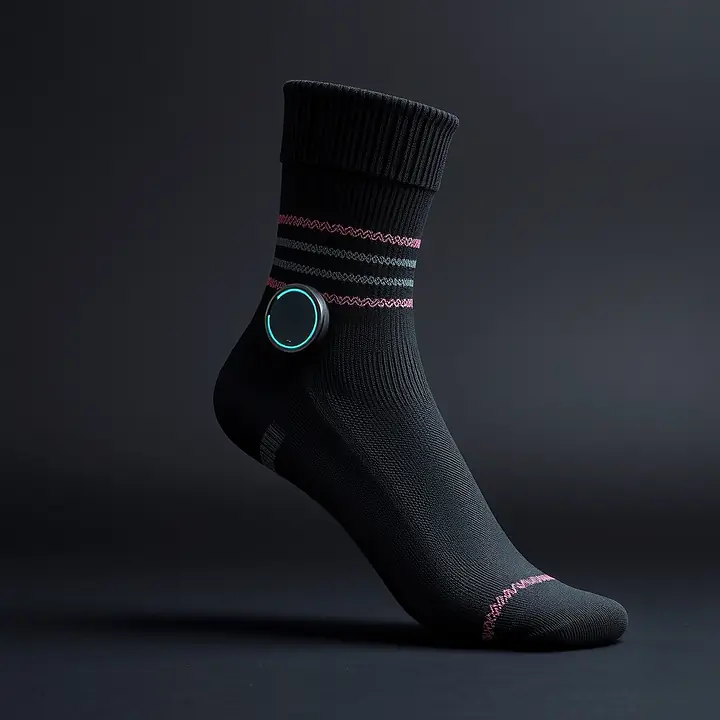
ORRA Strides
The furthest point from the brain, and the easiest one to reach.
$199concept
Interface media
The part that decides whether any of it works
Bio-impedance is a contact measurement. Dry skin, callus, a small contact patch and sweat that changes salinity across a session all move the reading, and a reading that drifts turns a calibrated device into a guessing one.
NANO RX®
NANO RX Conductive Gel
A skin-contact medium applied under the bio-impedance pads so the reading is stable across a session instead of drifting as you dry out.
Torso and arm sensor contact
NANO RX®
NANO RX Grounding Spray
Mineral spray for the sole, where contact area is small and pressure varies with every step.
Plantar contact for the Strides
NANO RX®
NANO RX Hand Serum
A daily-use serum that also happens to keep palmar impedance in range.
Palmar contact for the Core and Gloves
NANOBIDIOL®
NANOBIDIOL Recovery Balm
A topical for after the session, in the class the mark already covers.
Post-session
Pricing
What each one is meant to cost
Concept pricing. Nothing in the ORRA family has been manufactured or sold; these are the retail points the design targets, set against a bill of materials, not against a quote from a factory.
| Unit | What it is | Concept retail |
|---|---|---|
| ORRA Core | Handheld bio-electrical interface | $299 |
| ORRA Node | Sternum-worn pendant | $199 |
| ORRA Dome | Structured cap | $399 |
| ORRA Neural Suit | Short-sleeve compression top | $499 |
| ORRA Neural LS | Long-sleeve compression top | $599 |
| ORRA Shorts | Compression shorts | $349 |
| ORRA Pants | Full-leg compression | $499 |
| ORRA Gloves | Carpal interface, touchscreen-through | $249 |
| ORRA Strides | Recovery socks | $199 |
Ready to look at the engineering?
The layer stack, the component list with manufacturer part numbers and the mode table are written down. Ask and you get the same document a contract manufacturer would.
See what it would cost
Concept retail against a real bill of materials, with the margin shown rather than implied.
Pricing →Start with the science
Three physical layers, six set points, one calibration baseline. Ninety seconds of reading.
How it works →